Prebiotics, probiotics and postbiotics in dogs: differences and health benefits
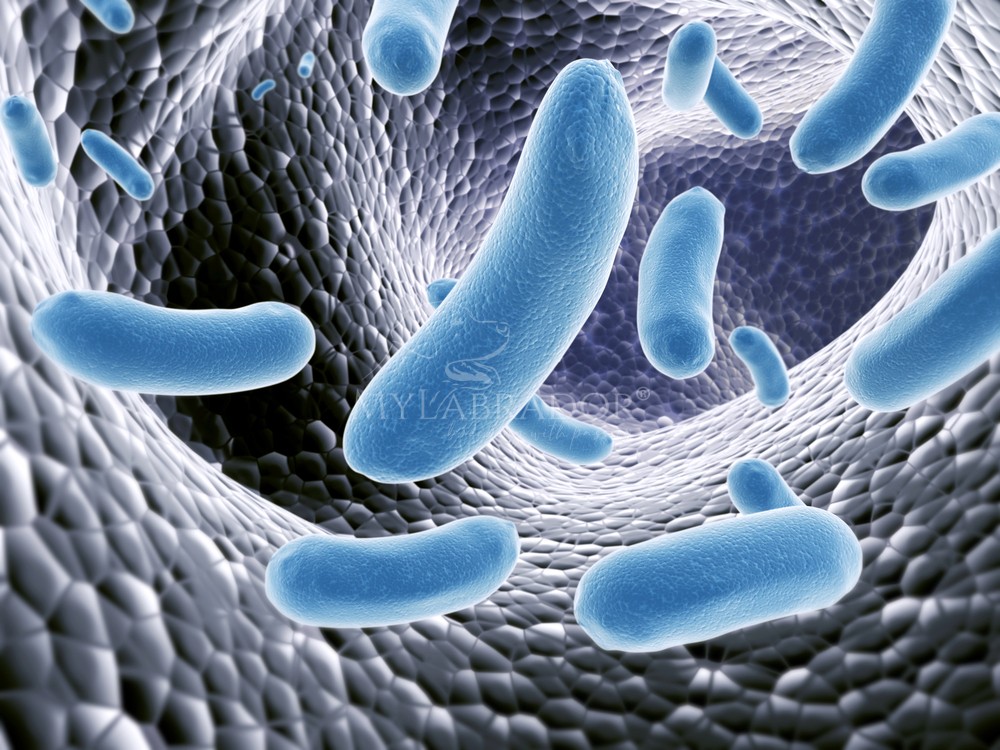
Your dog’s gut health is closely connected to its overall wellbeing. In an era where the gut microbiota is increasingly talked about, terms such as prebiotics, probiotics and postbiotics are becoming more common — but it is not always clear what they are or what sets them apart.
In this article you will discover the role of each one and how they can help improve your dog’s quality of life, especially in cases of gut problems, allergies or a weakened immune system.
What Are Prebiotics?
Prebiotics are non-digestible dietary fibres that act as “food” for the beneficial bacteria present in your dog’s gut.
They are not live bacteria, but substances that help probiotics thrive and maintain a healthy, balanced microbiota.
Examples of useful prebiotics in dogs:
- Inulin
- Fructooligosaccharides (FOS)
- Galactooligosaccharides (GOS)
- Beet pulp
- Chicory fibre
Prebiotics are found naturally in certain plant-based foods or are added to supplements and formulated diets. They stimulate the growth of Lactobacilli and Bifidobacteria, promoting a healthy gut flora.
What Are Probiotics?
Probiotics are live and active microorganisms (bacteria or yeasts) that, when administered in adequate amounts, benefit your dog’s health — particularly the gastrointestinal tract. They work by temporarily colonising the gut, helping to counteract the proliferation of pathogenic bacteria.
The main probiotic strains used in dogs:
- Lactobacillus acidophilus
- Bifidobacterium animalis
- Enterococcus faecium
- Streptococcus thermophilus
- Saccharomyces boulardii (a yeast particularly useful in cases of diarrhoea or antibiotic use)
Probiotics are especially useful in situations involving:
- Gut dysbiosis
- Acute or chronic diarrhoea
- Antibiotic use
- Food allergies or intolerances
- Immune support
It is important to choose probiotics formulated for dogs, as not all bacterial strains found in human supplements are suitable for our four-legged companions.
What Are Postbiotics?
Postbiotics represent the latest frontier in gut health. They are metabolites produced by probiotics during the fermentation of prebiotics — bioactive substances with beneficial effects, even when the bacteria that produced them are no longer alive.
Postbiotics include:
- Short-chain fatty acids (SCFAs) such as butyrate, propionate and acetate
- Peptidoglycans
- Organic acids
- Enzymes
- B-group vitamins
Postbiotics have demonstrated:
- Anti-inflammatory properties
- Antimicrobial properties
- Immunomodulatory properties
- Protective effects on the gut mucosa
What Is the Difference Between Prebiotics, Probiotics and Postbiotics?
In short, the difference is based on the function and biological nature of each element:
- Prebiotics → Feed the good bacteria already present in the gut
- Probiotics → Are live bacteria that temporarily colonise the gut
- Postbiotics → Are compounds produced by probiotics, with beneficial effects even without the presence of live bacteria
When to Use Prebiotics, Probiotics or Postbiotics?
The choice depends on your dog’s health status and the desired outcome:
Prebiotics:
- Ideal for prevention and health maintenance
- Daily support for bacterial flora
Probiotics:
- Useful in cases of diarrhoea, antibiotic use, stress or dietary changes
- To help restore microbiota balance
Postbiotics:
- Recommended for sensitive, allergic or immunocompromised dogs
- Also an excellent option when live probiotics cannot be used during heavy antibiotic therapy
How to Integrate Pre-, Pro- and Postbiotics into Your Dog’s Diet
These elements can be incorporated through:
- Specific supplements (capsules, powders, pastes)
- Personalised raw diets with fermented foods (e.g. kefir, unsweetened yogurt, raw sauerkraut)
Please note: not all commercial products contain effective quantities. It is advisable to consult a veterinarian with expertise in nutrition or a qualified adviser to choose the right supplements.
Conclusions
Your dog’s wellbeing depends, above all, on the health of its gut. Prebiotics, probiotics and postbiotics are powerful tools for supporting the intestinal, immune and overall health of your Labrador or any other dog. Understanding the differences and the right moments to use them allows you to make more informed choices for your furry friend’s health.
If your dog suffers from allergies, loose stools or frequent gastrointestinal problems, consider a natural, targeted approach to its microbiota. A personalised diet, free from kibble and rich in fresh nutrients, can make all the difference.