The importance of the gut microbiome in dog health
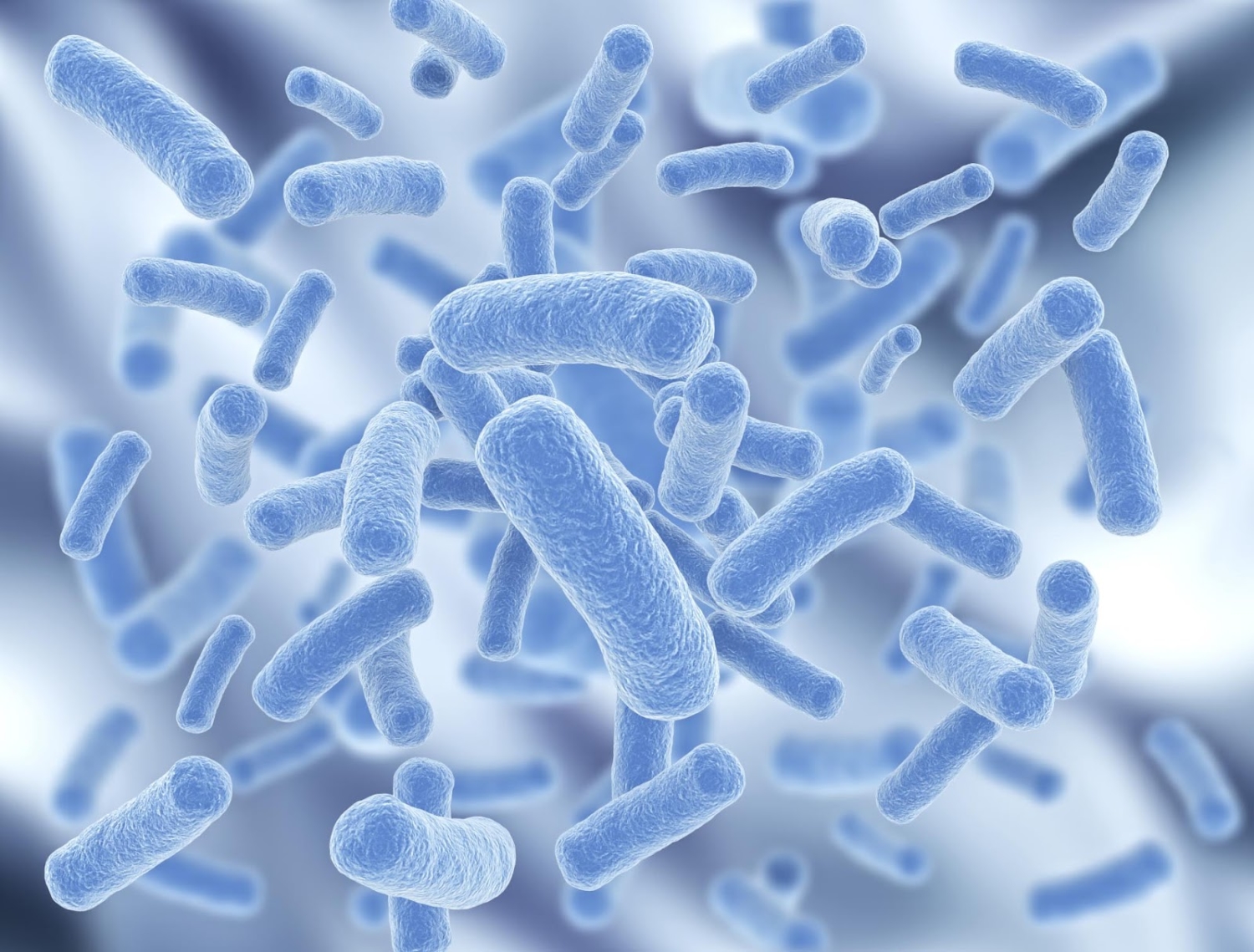
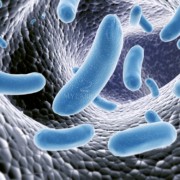
In this article we discuss the importance of the gut microbiome. The microbiome of the gastrointestinal tract — the bacterial flora present in any living being — plays a fundamental role in the general health and wellbeing of the animal, as it regulates its entire immune system.
There is growing interest in the microbiota (gut flora) and its role in the health of companion animals, as increasing research on the gastrointestinal microbiota begins to identify the important role it plays in the general health and wellbeing of both humans and animals.
The microbiota is considered a metabolic organ with significant impacts on host health — so what constitutes a healthy gut microbiome, and what factors can influence its balance (medications and diet)?
Before diving into this fascinating subject, let us define the key terms used throughout this article.
- Microbiota: microorganisms that typically inhabit a particular environment within an organism. In this article, microbiota refers to the microorganisms within the gastrointestinal tract;
- Microbiome: the genetic makeup of the microbiota as a whole — that is, the genes of all the bacteria, fungi and viruses that inhabit a particular environment;
- Gut dysbiosis: an alteration or imbalance in the composition and/or richness of the gut microbiota;
- Metabolomics: the large-scale study of small metabolites within cells, biofluids, tissues or organisms. These small molecules and their interactions within a biological system are known as the metabolome;
- Postbiotics: beneficial metabolic end-products of bacterial metabolism;
- Prebiotics: non-digestible dietary ingredients (fibres) that selectively stimulate the growth and/or activity of one or more species of gastrointestinal bacteria with the potential to improve host health;
- Probiotic: a product or preparation containing microorganisms such as Lactobacillus, Bifidobacterium, Enterococcus faecium that maintains or restores beneficial bacteria to the digestive tract when consumed in a food or supplement.
When is the microbiota disrupted?
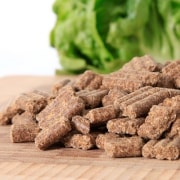
The first factor that negatively affects a dog’s health — and therefore its microbiota — is diet. Simply through daily consumption, from puppyhood, of the heavily advertised extruded commercial food — the famous kibble — which today everyone uses and considers the only possible food.
Extruded food is a product that does not exist in nature except through the hand of the pet food industry, which transforms all industrial by-products unfit for human consumption into a “fake” food full of additives, palatability enhancers, toxins, preservatives, starches, animal meals and cereals.
However, healthier alternatives do exist, such as home-cooked and/or raw feeding, or a good additive-free cold-pressed diet — options that, unfortunately, are almost never advertised, and the reason for this is easy to understand.
Extruded commercial feeding consistently leads to gut dysbiosis, and inflammatory bowel disease (IBD) is frequently closely linked to this bacterial imbalance.
So how can we improve our dog’s microbiome? Simply by changing its diet.
You should know that there are approximately 100 trillion microbial cells in the gastrointestinal tract — ten times the number of host cells — and each type of gut flora has different roles.
The intestinal microbial flora influences both the systemic and gastrointestinal immune systems of the host.
Gut bacterial flora helps with disease resistance and defence against enteropathogens, believed to occur through the creation of a physical barrier to pathogen colonisation, competition for nutrients and the production of antimicrobial substances.
It also provides nutritional benefits: for example, fibre sources such as chicory inulin and beet pulp are fermented by bacteria in the large intestine to produce short-chain fatty acids (Short Chain Fatty Acids – SCFA), which have a range of potentially beneficial roles in the gastrointestinal tract, including generating energy sources for the host (for example, microorganisms belonging to the genus Clostridium).
These organisms also have direct anti-inflammatory properties through the expansion of immunoregulatory lymphocytes. Gut microflora also hydrolyses urea, modifies cholesterol and bile salt metabolism, and synthesises vitamins including B12, folic acid and biotin.
Gastrointestinal bacteria are solely responsible for converting primary bile acids into secondary bile acids — an example of just how important they are to the physiology of both companion animals and humans.
What are the roles of the gut microbiota?
Numerous studies confirm that the gut microbiome plays a fundamental role in the immune system, in addition to its digestive and protective effects within the gastrointestinal tract.
It is indeed believed that gut microbiome health plays a primary role in the development and progression of obesity, atopic dermatitis and neoplasms, while also having an impact on cognition and kidney function.
Therefore, protecting gut microbiota health through a natural diet free from toxins maintains the overall health of dogs and cats at a high level.
What constitutes a healthy microbiota?
Most research studying the role of the microbiome has been conducted in humans, but as technology has advanced, the importance of the gastrointestinal microbiome in the health of dogs and cats has become increasingly recognised.
Traditional techniques for gathering information on microbiome composition have included culture, but this is believed to be suitable for only around 5% of the gastrointestinal microbiome and does not account for elements such as postbiotics produced by bacterial metabolism.
Each individual has a very different microbiome — different both in balance and in the species and strains of bacteria within the gastrointestinal tract.
We see clear differences between the microbiome of a healthy animal and that of a sick one, and over time certain disease phenotypes demonstrate specific patterns of microbiome change.
However, further information is needed on both the microbial composition and its functions — including metabolic activity and immune interactions — to define what is “healthy” or “unhealthy”.
A dysbiotic microbiome can impact the host in functional or immunological ways that may be detrimental — for example, through the production of toxins or the reduction of anti-inflammatory metabolites.
Dysbiosis is frequently associated with acute and chronic gastrointestinal disorders, although in most cases it is not yet known whether dysbiosis is the cause or the result of the disease.
As mentioned earlier, the microbiota also appears to play a role in extra-intestinal diseases including atopic dermatitis and obesity.
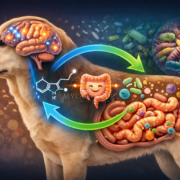
It is becoming increasingly clear that there is bidirectional communication between the gut microbiota and the brain (known as the microbiota-gut-brain axis).
Dysbiosis has been shown to influence behaviour and to be involved in the pathogenesis of neurological diseases, including Parkinson’s disease in humans, and correlates with aggressive behaviour in dogs.
However, it can be difficult to correlate dysbiosis with a clinical picture, and its contribution to disease appears to vary between individual patients: there is some evidence that genetics plays a role in influencing microbiota composition, but environment appears to be the primary factor.
Lifestyle and environmental triggers such as medication use — particularly antibiotic use — as well as a species-appropriate biologically correct diet can influence the microbiota and also impact the likelihood of developing dysbiosis. Antibiotics and their potential influence on dysbiosis are particularly complex.
We are often accustomed to administering antibiotics to treat an animal with chronic diarrhoea — yet in doing so, we could potentially induce or worsen any existing dysbiosis, while also causing further diarrhoea.
Antibiotic-induced dysbiosis has the potential to trigger long-term problems.
In humans, the development of the gut microbiota in early life has a significant impact on health later on, and antibiotic-induced dysbiosis in early childhood has been identified as one of the most important risk factors in the development of allergies, obesity and inflammatory bowel disease in adults.
What influences a dog’s microbiota?
There are four ways in which we can currently influence the microbiome in dogs: antibiotics, diet and prebiotics, probiotics, and more innovative therapeutic strategies such as faecal matter transplantation.
The traditional antibiotic approach raises growing concerns, both due to antibiotic resistance and the potentially negative impacts it appears to have in inducing significant changes to the microbiota and potentially causing diarrhoea as an unwanted side effect.
Nutritional support in the form of increased fibre, prebiotics and probiotics is attracting growing interest, and this is the right path — always moving towards a fresh diet.
Many products are marketed as probiotics, but they are not natural, and there is variability in both the quality and potential efficacy of these products.
The most beneficial bacterial phyla for the host’s microbiota are found in the gastrointestinal tract of ruminants, commonly known as green tripe.
Beyond this, frequent environmental changes can also influence the gastrointestinal microbiome, which can negatively impact the diversity and stability of the bacterial microflora.
In conclusion, nutritional support based on unprocessed fresh foods, combined with prebiotics and natural supplements for puppies, can optimally support the gastrointestinal microbiome of our faithful companion.
Thanks to our collaboration with the best professionals in the field (nutritionists and biologists), we can recommend the best supplements and the right diet to help stimulate the growth and regulation of “good” bacteria in the gut, create the conditions for optimal digestion and improve your puppy’s immune system.