The gut-brain axis in dogs: how food influences mind and health
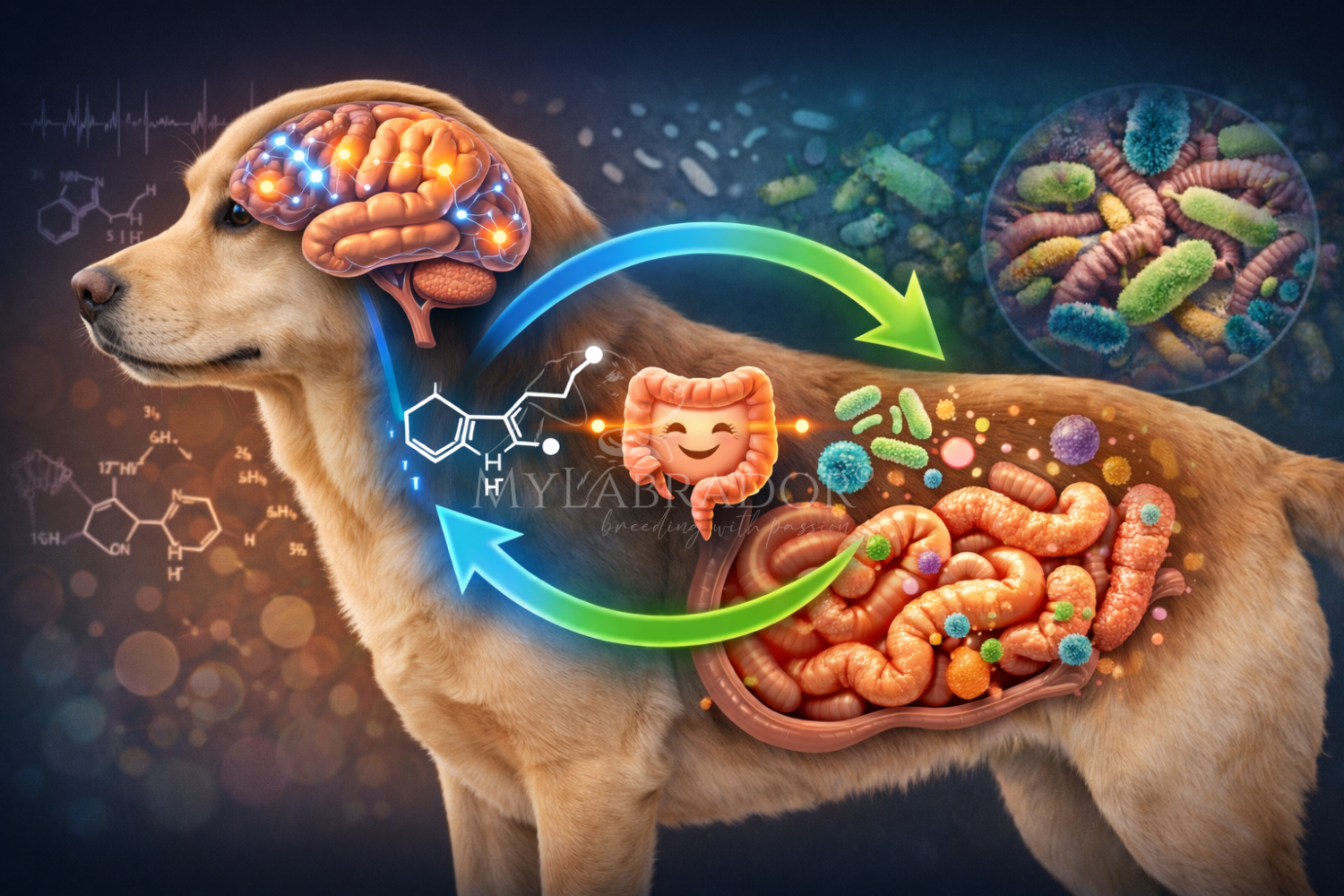
The gut-brain axis in dogs (gut-brain axis) is one of the most fascinating discoveries in modern veterinary medicine. This is not merely a metaphor: a dog’s gut constantly communicates with the brain through an intricate system of nervous, hormonal and immune signals.
This “invisible dialogue” influences the mood, behaviour, concentration and even the learning abilities of our four-legged companion.
However, this delicate connection can be seriously compromised by an industrial diet based on extruded kibble, often too poor in live nutrients and too rich in carbohydrates, additives and ultra-processed substances.
On the contrary, a well-balanced fresh or raw diet helps to properly nourish the gut microbiota, promoting mental balance, calm and long-term health.
What is the gut-brain axis in dogs
The gut-brain axis is a bidirectional pathway that connects the central nervous system (brain and spinal cord) to the enteric nervous system (the network of neurons that controls the digestive tract).
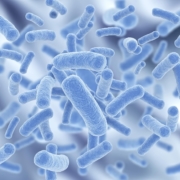
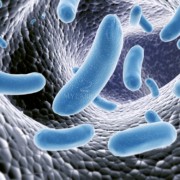
Acting as “mediators” are millions of beneficial bacteria living in the dog’s gut: the gut microbiota.
These microorganisms produce neurotransmitters such as serotonin, dopamine and GABA — substances that regulate mood and behaviour.
Around 90% of the body’s serotonin is produced in the gut — not in the brain! — demonstrating the central role of the microbiota in a dog’s mental health.
Microbiota and behavioural health
Recent studies, including those conducted by the University of Helsinki and Frontiers in Microbiology, have shown that a microbiota imbalance (dysbiosis) is correlated with disorders such as anxiety, hyperactivity, aggression and difficulty concentrating in dogs.
In practice, an inflamed or “malnourished” gut can give rise to emotional or cognitive disorders.
When the microbiota is in balance, the gut-brain axis functions like a harmonious orchestra: the “good” bacteria communicate with the nervous system via the vagus nerve, modulating stress responses and reducing systemic inflammation.
But when the gut is disrupted, the message changes: the body lives in a state of constant alarm.
Why industrial kibble damages the gut-brain axis
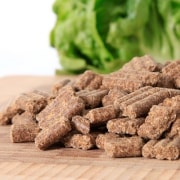
Extruded kibble is an industrial product obtained through cooking at very high temperatures (above 120°C) and high pressures.
This process destroys much of the heat-sensitive nutrients such as enzymes, natural vitamins and essential fatty acids.
In addition, protein sources become denatured and fats turn rancid, generating pro-inflammatory molecules such as AGEs (Advanced Glycation End-products).
Most kibble also contains between 40% and 60% carbohydrates (corn, rice, potatoes, legumes) — ingredients that are entirely unnatural for an opportunistic carnivore like the dog.
This excess of starches feeds the growth of pathogenic bacteria at the expense of beneficial flora, disrupting the intestinal barrier and causing chronic inflammation.
The result? Dysbiosis, leaky gut and neuroinflammation.
The dog may become more anxious, irritable, lethargic or prone to dermatitis and immune disorders.
It all starts in the gut, but goes straight to the brain.
Fresh and raw diet: nourishing the microbiota to nourish the mind
A balanced natural or raw diet, made up of fresh and bioavailable ingredients (meat, meaty bones, organs, cooked or finely chopped vegetables, natural oils and fermented foods), is the most effective way to restore the balance of the gut-brain axis.
Fresh foods contain live enzymes, prebiotic fibres and active nutrients that stimulate the growth of beneficial bacteria such as Lactobacillus and Bifidobacterium.
These microorganisms help produce serotonin, regulate the immune system and reduce intestinal inflammation.
Furthermore, raw meat and animal-sourced oils provide omega-3 fatty acids, which are essential for proper neuronal function.
Within just a few weeks, a dog fed fresh food shows a shinier coat, firm stools, fresh breath and greater emotional stability.
Its behaviour changes because its brain is finally receiving the right signals from the body.
The key is balance
A natural diet does not mean giving “leftovers” or improvising: the ration must be nutritionally balanced (proteins, fats, minerals, vitamins and fibre), calibrated to the dog’s weight, age and activity level.
The support of an expert nutritionist or a breeder specialised in natural feeding is essential to avoid deficiencies or imbalances.
From the bowl to the brain: visible and invisible effects
When transitioning from an industrial diet to a fresh one, not only physical health changes — so does the way the dog experiences the world.
A balanced microbiota produces substances that regulate cortisol (the stress hormone), improves sleep, strengthens memory and promotes a calmer, more confident demeanour.
Science calls this the “psychobiotic” effect: gut bacteria directly influence behaviour — in other words, a dog’s mental wellbeing begins in its gut.
How to support the gut-brain axis every day
- Choose fresh, natural foods: quality raw meat, low-starch vegetables, omega-3-rich oils and fresh eggs.
- Avoid refined carbohydrates and chemical additives: these are the main cause of intestinal inflammation and oxidative stress.
- Supplement with probiotics and natural lactic acid bacteria: they help repopulate the beneficial gut flora.
- Respect biological rhythms: rest and deep sleep promote microbiota regeneration and serotonin production.
Conclusion: a dog’s mind begins in the stomach
Talking about the gut-brain axis in dogs means understanding that mental and physical health are inseparable.
An industrial kibble-based diet breaks this balance, while a fresh and raw diet restores it.
Every meal is a message the body sends to the brain: by choosing living, natural and species-appropriate food, we choose a healthier, happier and more emotionally stable dog.
Would you like to learn more about natural feeding for your dog? Read this page: natural nutrition for dogs
Because your dog’s mental wellbeing begins every day in its bowl.